
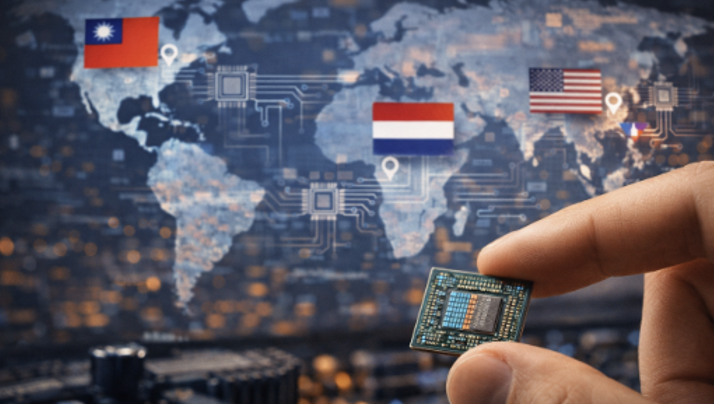
The Global Power of a Tiny Chip
If you want to understand why world leaders are currently obsessed with a small island in the Pacific or a few specific factories in the Netherlands, you have to look at the semiconductor. These tiny chips are the brains of every single thing we use, from your electric toothbrush to the massive servers that run the global banking system. We are living in the “Silicon Age,” and the geopolitics of these chips is arguably more important than the geopolitics of oil was in the last century.
The production process for these chips is so incredibly complex that only a handful of companies in the world can do it at a high level. This has created a massive bottleneck in the global economy. Because we rely on just a few locations for almost all our high-end computing power, any political instability or natural disaster in those regions could essentially shut down the modern world. It is a terrifyingly fragile system that most of us never even think about when we are buying a new pair of wireless earbuds.
This is why we are seeing “Chip Wars” in the news. Governments are spending hundreds of billions of dollars to bring chip manufacturing back within their own borders to ensure “technological sovereignty.” For our generation, this is the defining economic struggle. It affects the price of your next car, the speed of your internet, and the security of your national borders. Understanding the hardware that runs our world is the first step in understanding the power structures that will define our future careers and our lives.