Neurodiversity in the Social Scene
College social life is often marketed as a non-stop whirlwind of parties, crowded club meetings, and high-energy networking events. For many of us, this is the “gold standard” of the university experience. But for students who are neurodivergent—whether that means being on the autism spectrum, having ADHD, or navigating sensory processing differences—this standard social model can feel like an obstacle course designed for someone else. We have built a campus culture that rewards extroversion and constant stimulation, which often leaves a huge portion of the student body feeling drained or excluded.
The pressure to “perform” socially can be just as exhausting as a final exam. In a typical dorm setting or a loud student union, the sensory input is dialed up to ten at all times. For a neurodivergent student, a simple hang-out session can require an immense amount of “masking,” which is the mental effort used to mimic neurotypical social cues. By the time the weekend rolls around, many students are not looking for a party. They are looking for a dark room and some actual silence.
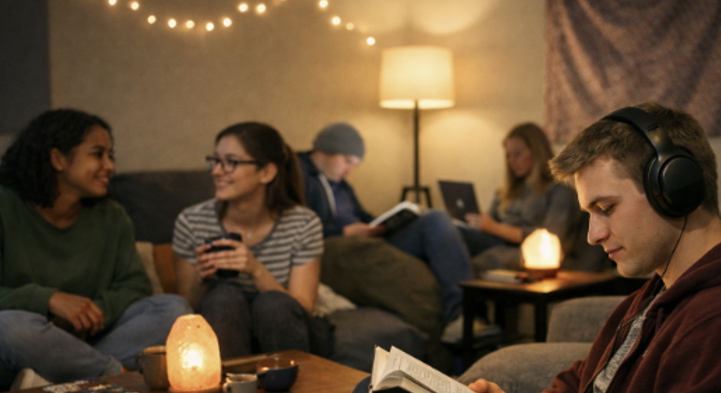
We need to start thinking about “social accessibility” the same way we think about physical ramps for buildings. This does not mean getting rid of parties. It means creating more intentional “low-sensory” spaces where people can hang out without the blaring music or the strobe lights. It means normalizing the idea that someone might need to leave a conversation early or wear noise-canceling headphones in the library without it being “weird.” When we broaden our definition of what a social life looks like, we make the campus a lot more welcoming for everyone.